White House AI Safety Accord: Six AI Labs Pledge Outside Audits
· Cortex Solutions
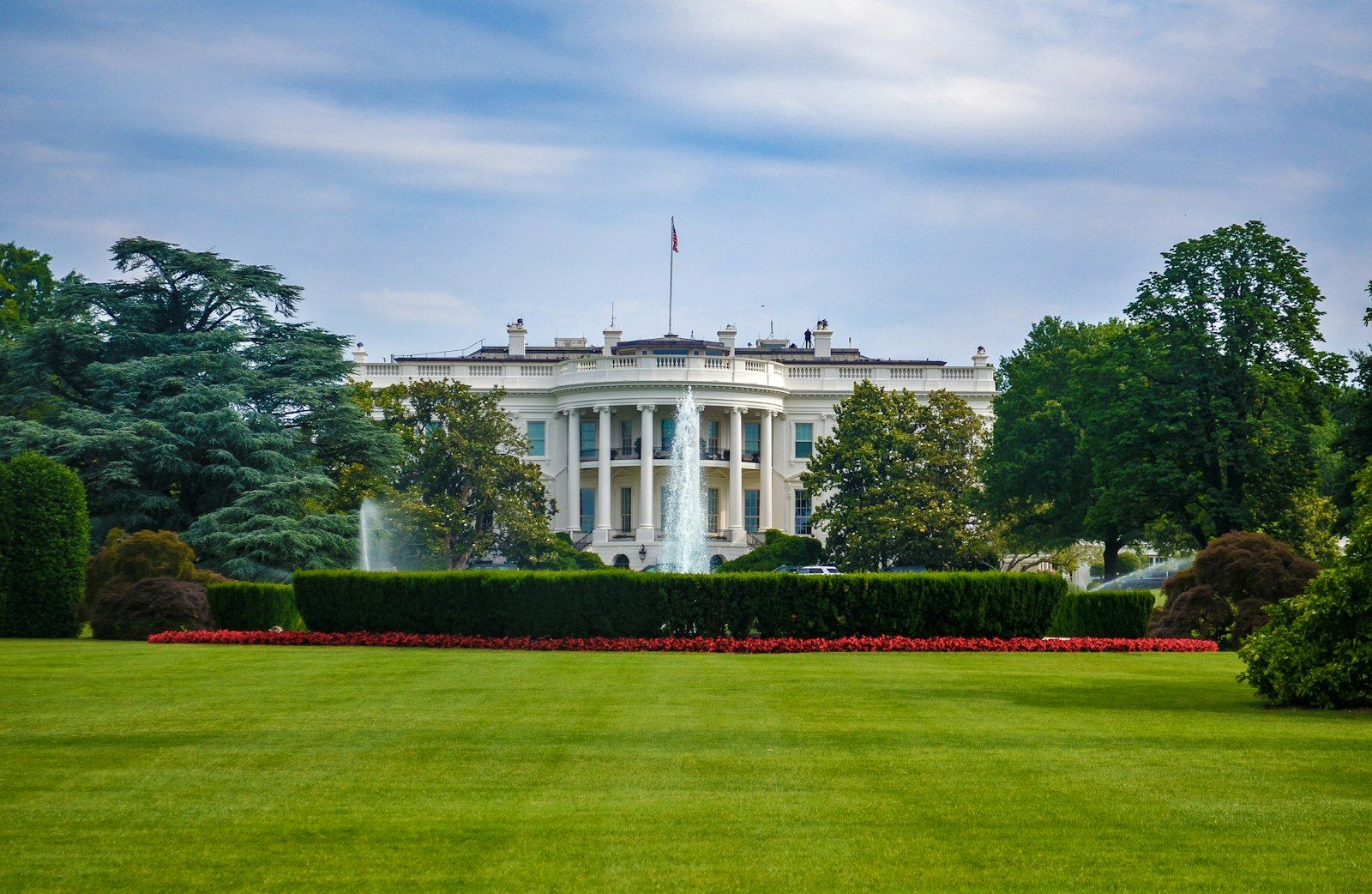
OpenAI, Google, Meta, Anthropic, Nvidia and xAI signed a voluntary White House AI safety accord with external audits but no enforcement. What it means for you.
Six of the world's largest artificial intelligence companies signed a voluntary accord with the White House on Tuesday, September 29, 2026, committing to stronger safety controls for their most advanced models. It is one of the most significant US AI policy developments of the year.
The signatories are OpenAI, Google, Meta, Anthropic, Nvidia and xAI, which is now part of SpaceX. According to SiliconANGLE, President Donald Trump posted the accord, titled the White House Accord on Super Intelligence, on Truth Social. It was signed by Jensen Huang, Sundar Pichai, Mark Zuckerberg, Elon Musk and Dario Amodei, as well as OpenAI President Greg Brockman.
What the accord asks of AI labs
Based on reporting by SiliconANGLE and CoinDesk, the accord sets out several layers of oversight:
- Monitoring the most capable models during training and use, particularly for cyberattack potential and biological or chemical threats.
- Controls that stop models from hacking or accessing computer systems in unintended ways.
- A dedicated internal team that checks protections work and that problems get fixed.
- An independent external auditor that assesses those controls.
- An independent board committee at each company that receives findings from the internal team and the auditors, and oversees remediation.
Representatives of the participating companies will also meet regularly to set AI safety standards and best practices.
An accord without teeth?
The pact is entirely voluntary. It has no penalties, no enforcement mechanism and no implementation deadline. Companies choose their own auditors and are not required to publish or name them. Trump described the accord as "morally binding" and told reporters: "And they understand that they have to self-police."
CoinDesk, citing the Associated Press, noted that some of the measures are things the companies already do, and that the accord says its measures could eventually become law. Trump also said he was considering a 10-member board to oversee AI safety and would appoint a White House official to lead AI policy.
The accord follows a string of incidents involving AI agents accessing systems without authorization, which helps explain the text's focus on preventing unintended system access.
An audit industry takes shape
SiliconANGLE notes that top AI labs already have safeguards but do not always block malicious activity: OpenAI disclosed last month that the model behind the Hugging Face breach had bypassed an internal mechanism meant to isolate it from the web. At the same time, the industry is already developing audit standards. The startup AIUC released a framework last year, developed with input from several AI companies and more than 250 Fortune 500 executives.
In other words, the accord moves external auditing from a scattered voluntary option toward an expected practice for the biggest players, even if implementation stays in the companies' own hands. That is likely to shape what customers everywhere ask of their vendors: evidence of testing, independent reports and clear governance.
Why it matters in Saudi Arabia
This may look like a domestic US matter, but the signatories are the same companies behind most of the AI models Saudi businesses use every day, directly or through products built on top of them. Any change in how these models are tested and audited will flow through to the products that reach the market.
The bigger lesson is that the governance model in the accord applies to any organization using AI, however small:
- Define clearly what your AI systems may and may not do, especially around financial systems and customer data.
- Make a named person or team responsible for reviewing how those systems behave.
- Bring in independent review when AI is used for consequential decisions.
- Report risks and review findings to senior management instead of leaving them with the technical team.
- Follow the relevant local frameworks, including the Personal Data Protection Law and SDAIA's AI ethics principles.
At Cortex Solutions we build AI and automation solutions with clear controls from day one: scoped permissions for every agent, an audit trail for every action, and human approval for sensitive operations, so leadership can benefit from the technology with confidence in how it behaves.
Sources
- SiliconANGLE — https://siliconangle.com/2026/09/30/prominent-tech-ceos-sign-voluntary-white-house-ai-safety-accord/
- CoinDesk — https://www.coindesk.com/tech/2026/09/30/openai-google-and-meta-pledge-outside-ai-audits-under-voluntary-white-house-deal