ZATCA E-Invoicing Phase 2: A Practical Integration Guide
· Cortex Solutions
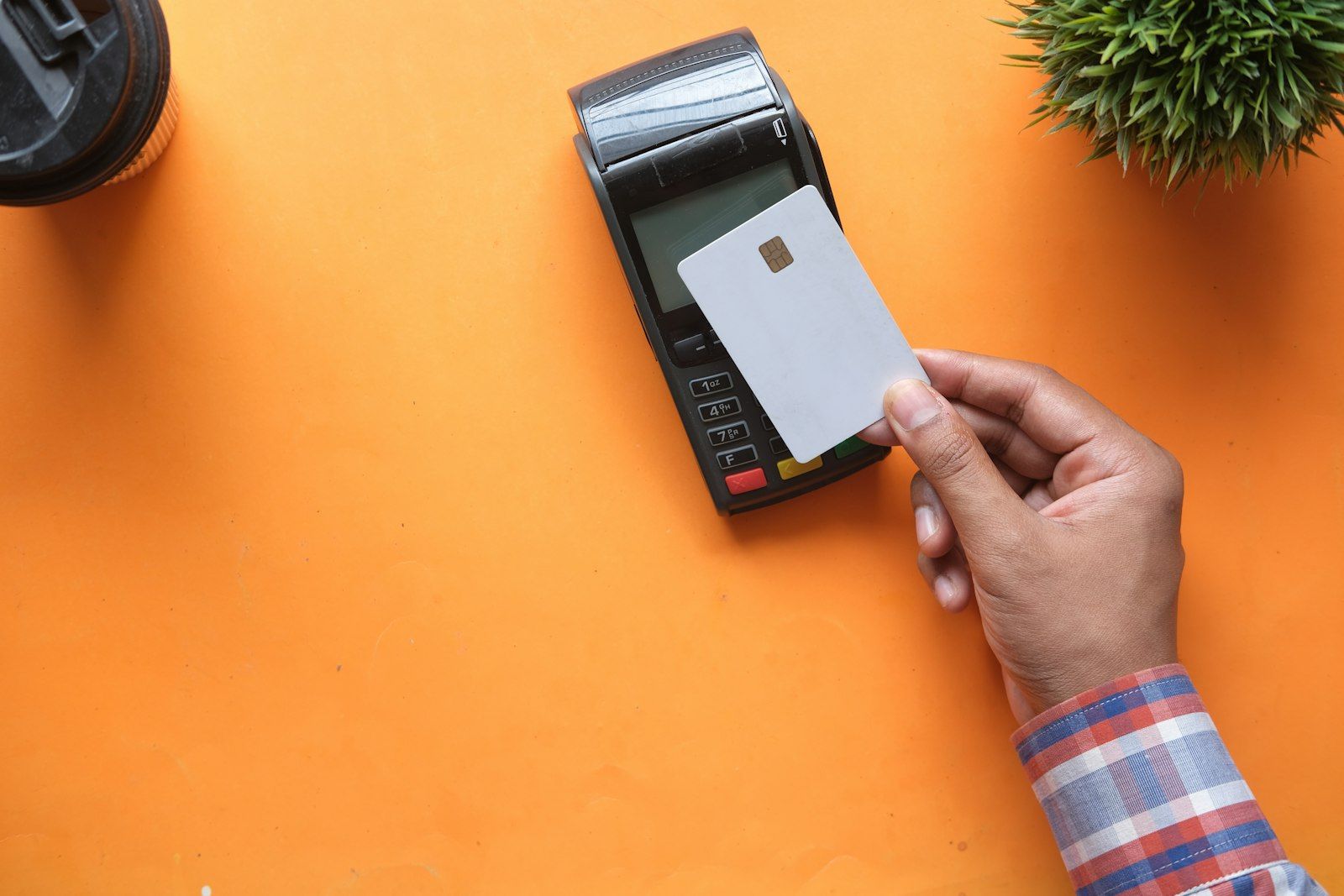
A practical guide to ZATCA e-invoicing Phase 2: who is in scope, clearance vs reporting, the Wave 25 deadline, and integrating your ERP or POS with Fatoora.
If your business is VAT-registered, ZATCA e-invoicing Phase 2 is no longer a future topic. The Zakat, Tax and Customs Authority is widening the integration phase wave by wave, and the Wave 25 criteria reach small businesses that were not in scope before. This guide explains in practical terms what Phase 2 requires, how to tell whether you are in scope, and the technical and operational steps to integrate with the Fatoora platform without disrupting sales.
ZATCA e-invoicing: Phase 1 and Phase 2 in brief
Phase One, the generation phase, has applied since 4 December 2021 to all resident taxpayers: invoices, credit notes and debit notes must be issued and stored through a compliant electronic solution, with the fields required for each transaction type. ZATCA states that a paper invoice converted to electronic form by copying or scanning is not an electronic invoice.
Phase Two, the integration phase, began on 1 January 2023 and is rolled out in waves. The taxpayer's electronic solution is integrated with ZATCA's systems and invoices are issued in the required format.
Are you in scope? Waves 24 and 25
ZATCA defines each wave by a threshold of VAT-subject revenue. According to its official announcements:
- Wave 24: taxpayers whose VAT-subject revenue exceeded SAR 375,000 in 2022, 2023 or 2024, with integration due by 30 June 2026.
- Wave 25: taxpayers whose VAT-subject revenue exceeded SAR 187,500 in any of 2022, 2023, 2024 or 2025, with integration due by 1 February 2027.
ZATCA notifies targeted taxpayers of their integration date at least six months in advance. Do not wait for the notice to start, though; good preparation takes time, especially if more than one system issues invoices.
Clearance and reporting: two invoice types, two paths
- Tax invoice (usually B2B): goes through clearance. Your system sends the invoice in XML to the Fatoora platform via APIs, the platform returns it cleared, and only then is it shared with the buyer.
- Simplified tax invoice (usually B2C): goes through reporting. It is issued at the point of sale and handed to the customer immediately, must carry a QR code and a cryptographic stamp, and is submitted to the platform in XML within 24 hours of being generated.
This difference shapes your system design directly: clearance needs a live connection before the invoice is handed over, while reporting lets the cashier keep selling and submit invoices in the background.
Practical steps to integrate with Fatoora
- Inventory: list every point that issues invoices or credit and debit notes: your ERP, the POS in each branch, the online store, and any side billing system.
- Validate the solution: does your current system genuinely support Phase 2? Ask the vendor about XML, the cryptographic stamp, the QR code, clearance and reporting, and previous integrations.
- Onboard devices and certificates: each invoicing unit, such as a POS device or a system, obtains a cryptographic stamp certificate through the Fatoora portal, as part of onboarding steps that include compliance checks.
- Master data: review your own details (VAT number and national address) and those of business customers (VAT number and address); an error here can get an invoice rejected.
- Testing: run real scenarios before go-live: a standard invoice, a simplified invoice, a credit note for a return, a debit note, a discounted invoice, and mixed VAT rates if you have them.
- Go-live and monitoring: review rejected or pending invoices every day and assign someone to resolve them.
Points that are often missed
- Internet outages in a branch: make sure the POS keeps issuing simplified invoices, stores them and submits them when the connection returns, within the deadline.
- Invoice chaining: the specification links each invoice to the one before it, so invoices must never be deleted or edited; corrections are made with a credit or debit note.
- Multiple systems: if your online store issues invoices separately from your accounting system, both need integration, or issuing must be unified in one system.
- Archiving: retain invoices according to regulatory requirements; do not assume "the platform has a copy".
A suggested order of preparation
No single timeline fits everyone, but this order reduces surprises. Start the inventory and the assessment of your current solution as soon as you know you are in an upcoming wave, because the result decides whether you need to update your system or replace it. Clean your master data in parallel with preparing the solution, then leave enough time to test in a non-production environment well before the regulatory deadline, so you still have room to fix whatever errors appear. Finally, train cashiers and accountants to read invoice status and act when one is rejected; they are the first line of defence after go-live.
Where the ERP fits
The best results come when e-invoicing is part of the system that runs sales, inventory and accounting, not a separate layer on top. The invoice is then issued from the sales order itself, the journal entry posts automatically, clearance or reporting status appears next to every invoice, and the VAT return is built on cleared data. Integration through intermediate files between two systems multiplies the points of failure.
The bottom line
E-invoicing Phase 2 is both a technical and an operational project: an inventory of invoice sources, a compliant solution, clean data, serious testing, and daily monitoring after go-live. At Cortex Solutions we integrate ERP and point-of-sale systems with Fatoora and build dashboards that track the status of every invoice. If you have received ZATCA's notice or expect to be in the next wave, contact us to review your systems' readiness. For your specific obligations, always check ZATCA's official announcements.
Sources
- ZATCA — What is e-invoicing — https://zatca.gov.sa/en/E-Invoicing/Introduction/Pages/What-is-e-invoicing.aspx
- ZATCA — Wave 25 selection criteria — https://zatca.gov.sa/en/MediaCenter/News/Pages/Wave25-E-invoicing.aspx
- ZATCA — Wave 24 selection criteria — https://zatca.gov.sa/en/Pages/news_1426.aspx
- ZATCA — Detailed Guidelines for E-Invoicing — https://zatca.gov.sa/en/E-Invoicing/Introduction/Guidelines/Documents/E-Invoicing_Detailed__Guideline.pdf