Anthropic Buys $3.4B of Gas Generators for Its Data Centres
· Cortex Solutions
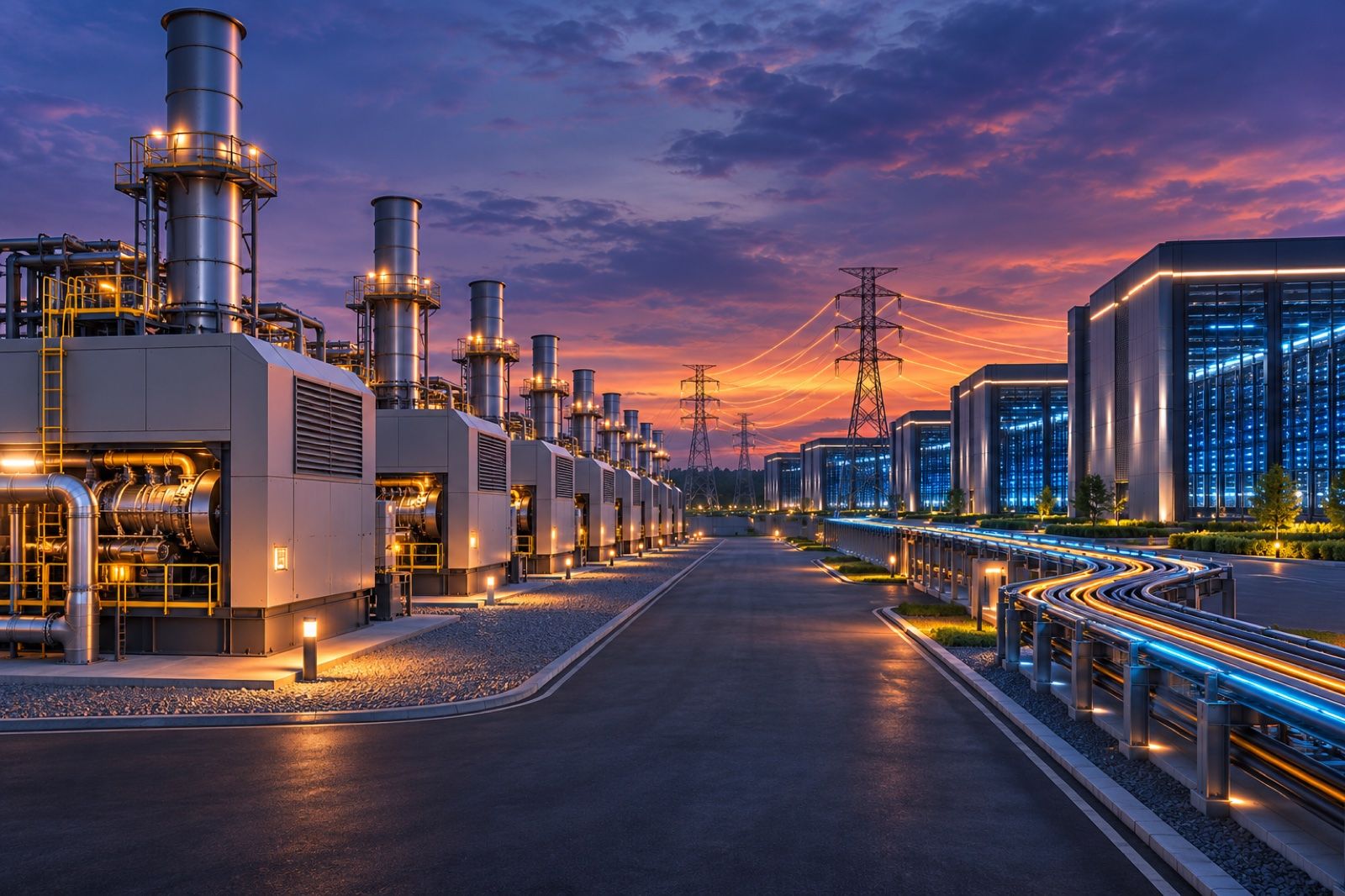
The FT reported on Nov 8, 2026 that Anthropic agreed to pay $3.4B for 1.7 GW of gas generators via OnePWR, the largest known power buy by an AI lab.
The artificial intelligence race is no longer only about models and chips; it has become a race for electricity too. According to a report published by the Financial Times on Sunday, November 8, 2026, Anthropic, the developer of the Claude models, has agreed to pay about $3.4 billion for gas-fired generators to power its data centres.
The Next Web carried the news the same day, November 8, Seeking Alpha published it via TradingView, and Bloomberg followed up with a story headlined that Anthropic is buying power for AI data centres in a $3.4 billion deal. Note that all of this coverage relays the Financial Times report, and The Next Web stated explicitly that it had not independently confirmed the deal.
Deal details
According to what the outlets reported from the Financial Times:
- The deal covers large generators with a total capacity of 1.7 gigawatts; the newspaper cited one person familiar with the deal.
- The supplier is OnePWR Solutions, a power supplier based in San Antonio, Texas.
- The deal was signed in late September 2026 and has only now come to light.
- OnePWR had ordered the generators from Caterpillar about two years ago but needed money to complete the purchase.
- Anthropic first planned to buy power from OnePWR, but instead took over the orders themselves, along with the engineering and construction work needed to install the equipment.
- Anthropic did not buy OnePWR itself, and none of its staff moved to Anthropic.
The Financial Times described the deal as the largest known single purchase of power-generation equipment by an AI lab. According to Seeking Alpha, taking over the Caterpillar orders secures Anthropic equipment available soon and over the next two years.
Where the generators will be used is not yet known; none of the coverage specified it. Both companies declined to comment to the Financial Times and did not immediately respond to Bloomberg.
Why now?
The deal comes at a sensitive moment for Anthropic as it prepares to list its shares on the stock market. The Next Web reported that the amended IPO filing the company submitted last week showed about $895 billion in commitments, almost all for computing power and infrastructure. Seeking Alpha said the company has disclosed nearly $900 billion in computing commitments through 2045, and that the Financial Times reported a listing could come this month.
Seeking Alpha places the deal in a wider context: electricity shortages are pushing AI developers into multi-billion-dollar commitments beyond chips and computing facilities, and tech companies are seeking to secure electricity directly as equipment backlogs grow. It argues that controlling power equipment could help Anthropic avoid delays, but adds to its financial commitments ahead of a possible listing. It also reported that Blackstone warned investors that Anthropic could receive a speculative-grade credit rating.
The Next Web noted that other AI companies have turned to gas to get data centres running quickly, pointing out that Elon Musk's xAI faces a lawsuit over gas turbines at its Memphis site.
What the deal reveals
The clearest message is that electricity has become the bottleneck of the AI industry. Big companies no longer settle for reserving chips and servers; they are now reserving the generators themselves years ahead of need, because waiting for a new data centre to be connected to the grid, or waiting in a factory queue, can mean falling behind competitors. With commitments running into hundreds of billions, infrastructure turns from an operational detail into a strategic decision that investors watch closely.
What it means for Saudi businesses
- The cost of AI is not just the subscription price: much of the cost of cloud services comes from energy and infrastructure, and any pressure on them may affect prices and availability in the future. It is wise for a company to plan its AI use flexibly and not build its business on a single provider.
- Smart use matters more than heavy use: choosing the right model for each task, and automating processes with a clear return, delivers more value than running the largest models on everything.
- Infrastructure is a competitive advantage: the deal shows that whoever owns power and computing capacity holds the initiative, which is why investment in data centres and energy inside the Kingdom is an important factor for the local availability of AI services.
- Watch your providers' stability: as major AI companies prepare to list and their commitments swell, it is useful for businesses to follow the position of the providers they depend on and to keep a backup plan.
At Cortex Solutions we help Saudi businesses adopt AI in practice: choosing the right solutions, automating everyday tasks, and connecting them to existing business systems at a measured cost. Learn about our AI automation service: https://cortex.sa/services/ai-automation